

Belonging
An Ode To A City

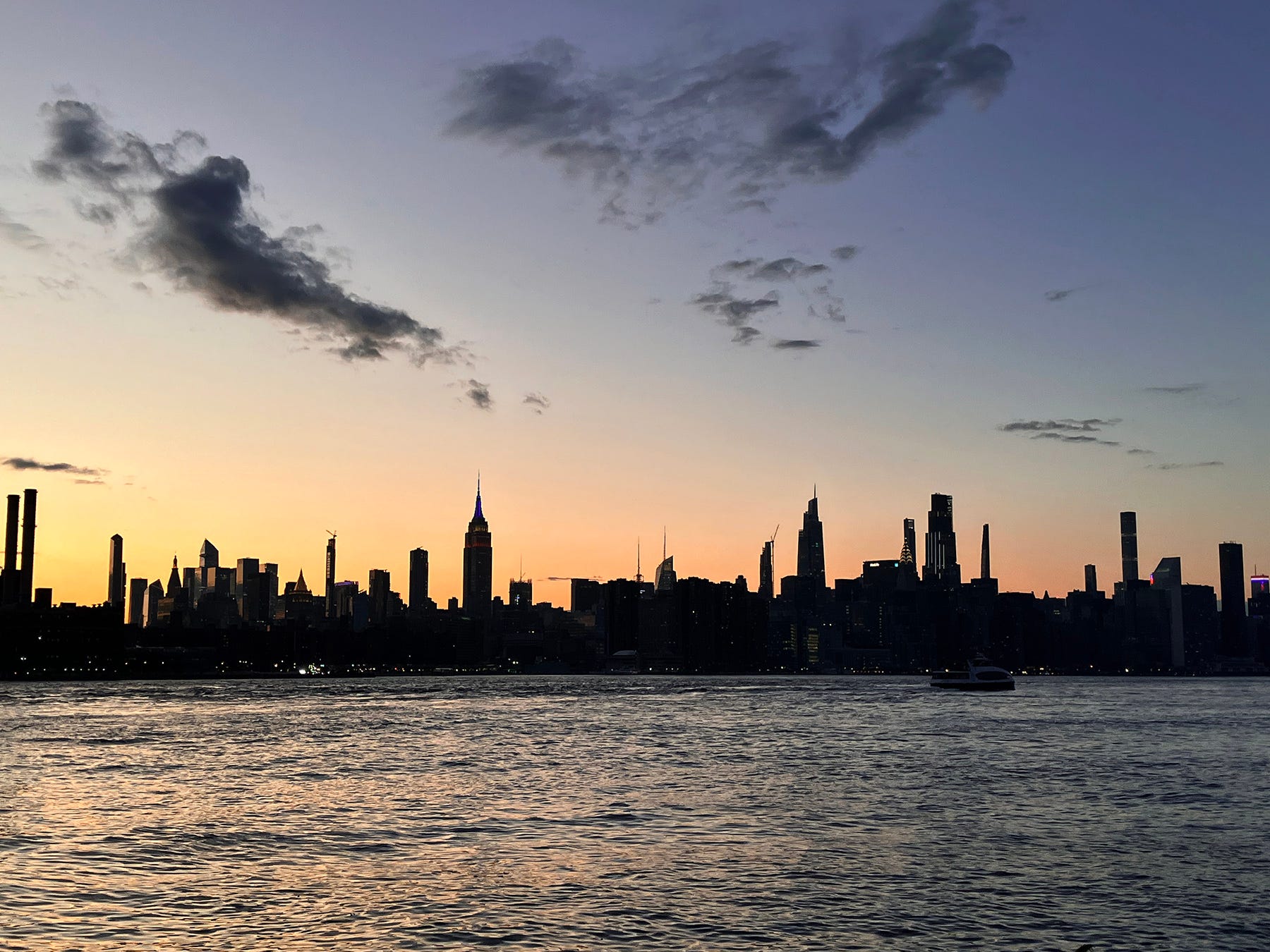
New York
So nice they named it twice. Or so the song goes.
There are four cities I know like the back of my hand… Cleveland, Ohio (where I grew up); Portland, Oregon (where I have lived since July 2007); London, England (where I lived from 1993 to 2007); and New York City (where I have spent numerous amounts of time since first visiting in 1989).
My wife and I recently got back from a four-day visit with our daughter, who lives in New York.
Bushwick, Brooklyn, to be exact.
There is no city quite like New York. The energy and vibe are unmatched by any other city. The diversity, food, culture, and full-on excitement are second to none.
Only London is comparable.
I first visited NYC in 1989, when I was twenty. It was a different city then. I remember the East Village being a bit gritty and rock and roll. I had my first curry dinner in an Indian restaurant that sat in a dingy basement on East 2nd Street. I bought many records at Venus Records on St. Mark's Place, Tompkins Square Park was heroin central, and we were warned not to venture into “Alphabet City” (Avenues A-D). Today, however, a lot of the East Village seems to be taken over by NYU students living off their parents’ money.
In 1989, the crack epidemic was still rife, and Times Square was ground zero for many of its casualties. It was also still pulling itself out of its seedy, X-rated movie era. Some of the theatres still had porn titles on their marquees and I saw a man openly masturbating off Times Square. Today, the marquees have been replaced by major brand-name shops and chain restaurants. Billboards advertise tickets to many of Broadway’s family-friendly shows. The entertainment advertised in Times Square today is now more akin to Disney than Linda Lovelace. The seediness may be gone, but it still feels like the world’s meeting place and living room.
The Lower East Side was where I once spent most of my time. It was full of artists but also sleazy & cool and had a healthy dose of adrenaline-fueled danger. The Bowery still felt like the vibe Iggy & The Stooges captured so brilliantly on their grimy 1970 album, ‘Funhouse.’ As a twenty-year-old studying art and dreaming of being a painter, this is where I thought I would end up.
SoHo was where the galleries were, and I would wander its narrow streets and see art shows, hang out at receptions, and got invited to a few afterparties. In 1996, Paula Cooper Gallery relocated from SoHo to Chelsea, and other galleries soon followed suit. Today, Chelsea is the center of the New York art world, and its sole focus is on the business of showing, marketing, and selling high-end art.
In 1989, however, Chelsea was a neighborhood in transition. The West Side Highway carved through the edge of the neighborhood and bordered the hulking, grimy shipyards. It was still relatively industrial, with tenement housing and dilapidated buildings from years of neglect. Junkies, transients, drifters, and wanderers were commonly seen on its streets. However, it was also the nightlife area for the LGBTQ+ community, there were cool off-Broadway theatres, and because of its cheap rents, it was popular with artists. And, of course, the legendary Chelsea Hotel stood as a symbol of all things cool, artsy, underground, and rock and roll. It’s fairly safe to say that many of the people wandering the gentrified streets of Chelsea today probably wouldn’t have set foot in the neighborhood in 1989.
Brooklyn
In 1989, across the East River, Williamsburg, Brooklyn, was becoming the new cool. Back then, it seemed wherever you went in Williamsburg, one was either a hip artist or Hasidic. Greenpoint, Brooklyn, was still rough and industrial, but cheap. It was also where many artists had studios. On that first trip to New York in ‘89, I took the train to Greenpoint, where the boyfriend of a visiting artist who taught at my Midwestern art college had a studio. It seemed so out of the way and removed, as they both lived in the East Village. However, the space was vast, and an entire community of artists was working out of it, which was inspiring.
When I was twenty-two, I moved to Albany, New York, to start my master's program at the State University of New York. While there, I took a course on Art Criticism taught by the Art in America critic, Ken Johnson. The class required us to visit the city once a month and review a show of our choice. Usually, I would go straight to SoHo to the art galleries, then to the East Village to flip through Venus Records, over to Midnight Records in Chelsea, and eventually up to the major museums.
Other than my brief visit to Williamsburg and Greenpoint in 1989, I never really spent much time in Brooklyn. On one of my art criticism visits, I decided to review an exhibition of paintings by Georg Baselitz at the Brooklyn Museum. Having never visited the Museum, I was blown away by the scale and quality of their collection.
What else was I missing by prioritizing all my time in Manhattan? After all, with nearly 2.7 million people, if Brooklyn weren’t part of NYC, it would be the fourth-largest city in the United States!
Let that last sentence sink in for a moment.
That’s how big Brooklyn is!
My wife and I have since spent a lot of time in both areas, and Williamsburg continues to be home to a large Hasidic community. But if any neighborhood of Brooklyn is the poster child of gentrification, it’s Williamsburg. There are now endless rows of hip coffee shops, swanky restaurants and bars, expensive condos and apartments that overlook the Manhattan skyline, renovated brick townhouses, and fashionable people & yuppies on the move (wearing Lululemon and holding a large coffee, matcha, or smoothie).
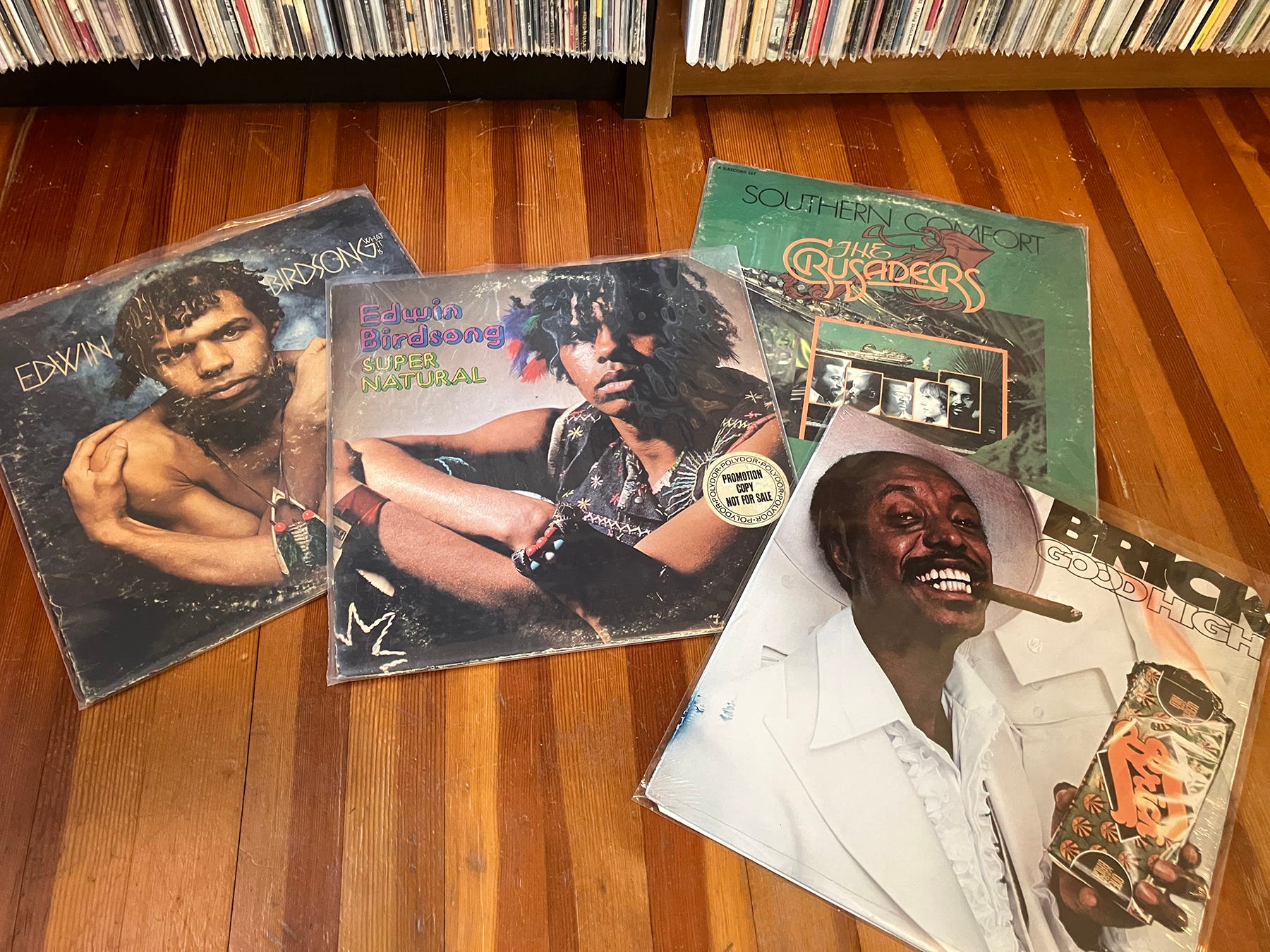
I never went to the neighborhood of Bushwick in 1989. I am sure it was entirely different from what it is today. What is noticeable is the explosive street art on many of its buildings, cool bars, a vibrant queer community, and Hispanic families relaxing in Maria Hernandez Park as well as working in the many shops and bodegas that line its streets. And Bushwick is also home to the always dependable and excellent Human Head Records, which is now a regular New York stop for me.
Our daughter moved to NYC in the strange COVID winter of January 2021. She was one of the few who moved to the city, as many were then leaving it. Each time we visit her, we always get our art fix. We absorb its culture, dine at our favorite vegan spots, and spend the evening at some cool little bar where we chat and enjoy family time. We always rack up our step count as we wander the streets, moving from borough to borough via its subway trains, and emerge in different parts of Manhattan, Brooklyn, Queens, or the Bronx (sorry, Staten Island, we have never found ourselves over to you. Let’s be honest, your borough is really out of the way!).
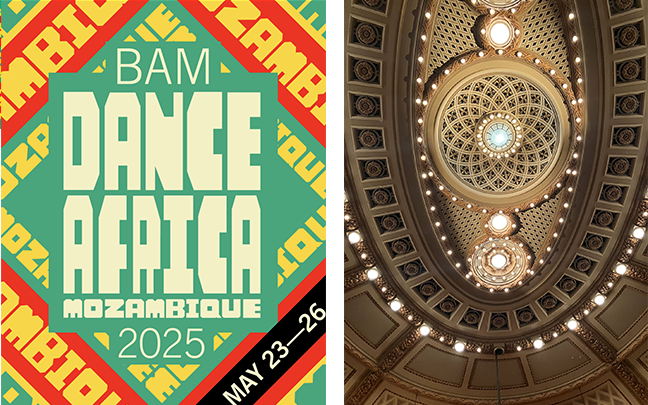
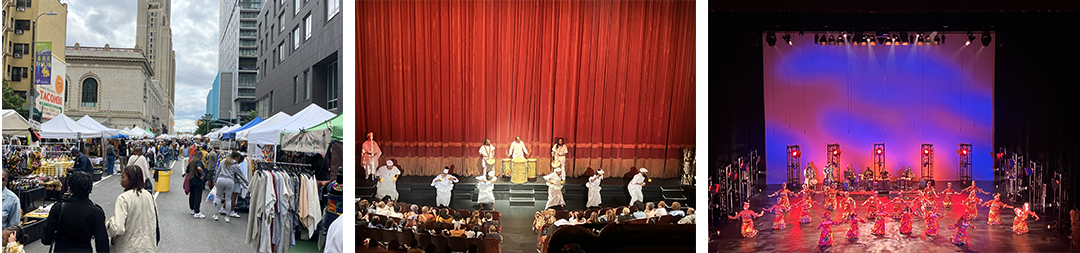
For the last two years, we've visited New York City during Memorial Day weekend, and have coordinated our trip to coincide with the incredible DanceAfrica festival in the leafy, residential Fort Greene area of Brooklyn, home to the Brooklyn Academy of Music (BAM). Having just celebrated its 48th year, the festival takes over the streets outside BAM, vendors sell their wares, the smell of food fills the air, and the beating of drums can be heard throughout the streets. The atmosphere on the street is electric, but the main event is the two-hour show in the beautiful Howard Gilman Opera House inside the Peter Jay Sharp Building. Each year, the event celebrates a specific country. Last year it was Cameroon, and this year it was Mozambique.
“There is, literally, no other dance celebration quite like it.” - The New York Times.
And I can attest to it!
My wife is a professionally trained dancer and dance educator, and we see a lot of dance, but there is simply nothing like DanceAfrica. It is dazzling, spellbinding, and so incredibly joyful. Every event features dancers and musicians from the highlighted African nation. This year, it featured performances by the Song & Dance Company of Mozambique, as well as Mama Coumba Saaraba, the Billie's Youth Arts Academy Dance Ensemble, and the DanceAfrica Spirit Walkers.
I was so mesmerized by the incredible show that I didn’t want to take many photos, but what little I did doesn’t do it justice. We are already excited to book our tickets for next year!
I also always take time to research what art to see when we are there. I was hoping the Metropolitan Museum of Art’s Michael C. Rockefeller wing had reopened from its two-year remodel, but we missed it by a week. Bummer! That will have to wait until our next visit.
However, this year I earmarked a couple of intriguing shows in galleries on the Upper East Side that I was interested to see.
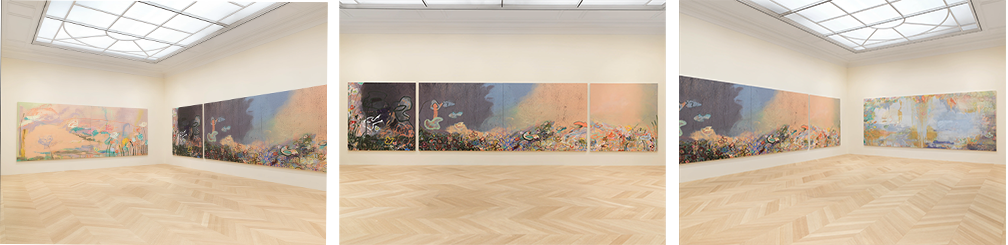
Austyn Weiner is an artist whose monumental oil and enamel paintings occupy the fifth floor of the beautiful Lévy Gorvy Dayan gallery. The show, titled ‘Half Way Home,’ echoes Monet’s ‘Waterlilies.’ Standing in the gallery space, I could literally smell the paint as my eyes swam among her large-scale paintings. Flowers, scribbles, and text emerge from an expansive sea of color. Described by the painter as “landscapes and mindscapes,” the massive panels have become places of solace after a year of heartbreaking loss, emotional and physical pain, and a spiritual odyssey of resilience that she has traversed over the past year.
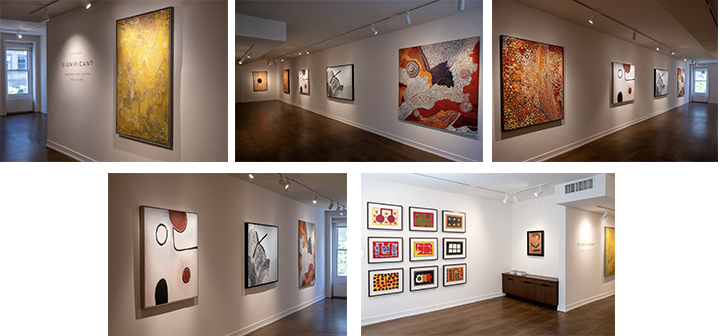
We then ventured to D’Lan Contemporary to see ‘Significant,’ the tenth annual exhibition of contemporary First Nations Australian artists. The canvases are filled with a vibrant mix of colors, patterns, marks, and motifs that convey the stories of ancestral beings and spirits, highlighting significant connections to sacred land and the creation of the world. Their profound stories have been passed down for generations and are integral to the cultural identity of Indigenous Australians.
As we left the galleries, we took a serene walk through Central Park. Surrounded by people from all over the world, we talked about our long weekend of art, dance, and family connection.
There’s a scene in Jodie Foster’s 1991 directorial debut, ‘Little Man Tate,’ where a character says (about a fortune he once got in a cookie)…
"Only when all who surround you are different will you truly belong."
Wise words, embedded in a sappy movie. Yet, I have always remembered these words and over the years, have even shared the quote with students.
Because it is true.
Despite all the changes New York City has experienced, it remains a vibrant, dynamic, and constantly evolving city that continually adapts and redefines itself. Strangely, it is also a city where you can be surrounded by people while still enjoying a sense of freedom and solitude. Yes, it demands and takes a lot from you, yet it also always gives so much in return.
In four days via the New York City Subway, we were able to travel to the heart of Africa, where we were warmly invited to spend time with dancers from Mozambique. We went uptown, where we listened to the sacred stories of Australia and swam in pools of luminous color that expressed an artist’s desire to “make a pretty painting, but life is not so pretty right now, and I needed to capture that.”1
This is why I love New York and why I always feel a sense of belonging when there.
Feeling that you belong somewhere is comforting, and is probably why they named the city twice.
From the Lévy Gorvy Dayan press release.
Really enjoyed this, Michael. Reminds me of visits in the past, but I have to admit it's always been Manhattan and sometimes Queens. I just remember the dismay of lawyer Miranda having to buy a place in Brooklyn in Sex and the City in the 90s, with all the rent control property disappearing, and how funny they made that. As you say, it's changed so much over the decades.
I've never been to New York City, but I love the way you describe it, past and present, and I'm envious of all the art and music and dance you enjoyed while there. Yes, being surrounded by so many vibrant people and art and music is a way of feeling hugged and lifted up at the same time.